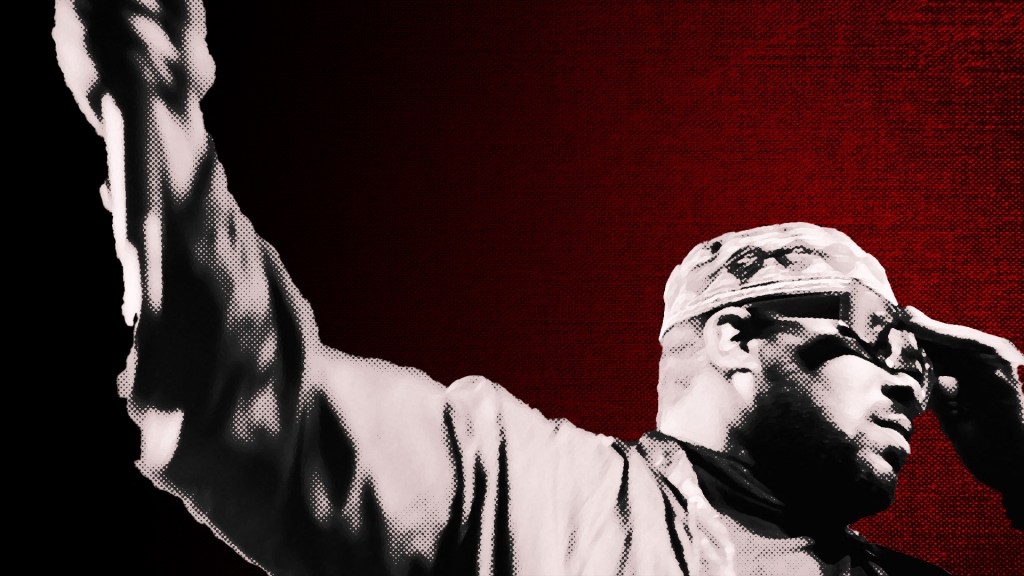
An icon, founder and inspiration. A predator, coward and disgrace. Both sets of adjectives can apply to Afrika Bambaataa who died from prostate cancer on 9 April at the age of 68. One of the most important individuals in the history of hip hop leaves behind a legacy that is both pivotal and undeniable yet irreparably tarnished by the allegations of child sexual abuse that were never truly answered.
Bambaataa was a teenaged gang member in the Bronx when hip hop first started to emerge in the early-1970s. He held the position of “warlord” in the Black Spades and his fearless approach of forging relationships in rival turf grew the gang into the biggest in New York. Bambaataa changed his perspective after he won an essay contest that awarded him a trip to Africa and saw “black people controlling their own destiny.”1 He transformed the Black Spades into the Organization (later the Zulu Nation and the Universal Zulu Nation) and organised cultural events for youth including dancing and music; they would later become essential elements of hip hop culture. The Universal Zulu Nation became an international presence that helped spread hip hop far beyond its New York foundations.
In addition to his being a community leader, Bambaataa was an early hip hop DJ who helped introduce the use of breakbeats. He blended hip hop and electronic for the groundbreaking song “Planet Rock” with his group Afrika Bambaataa & the Soul Sonic Force which influenced a wide array of artists. Bambaataa was the first hip hop artist to collaborate with James Brown whose funk sound defined sampling. His record collection was so consequential that it is archived in the library of Cornell University.2
Bambaataa was often adorned in African insignia and medallions. He promoted various cultural movements including black consciousness, Afrofuturism and world peace which were all designed to uplift his people. Bambaataa shifted the sound and influenced the culture. In the public perception, Bambaataa held a legacy which was undeniable and infallible.
That all shifted in 2016. Allegations were made by Ronald “Bee-Stinger” Savage that he had been molested by Bambaataa as a 15-year-old Zulu Nation member in 1980. Three more men subsequently made similar accusations. Bambaataa denied the accusations but resigned as head of the Zulu Nation the following month. The Zulu Nation had also initially denied the accusations but eventually released an open letter that apologised to victims for failing them. Later that year, an article was released which interviewed members of Bambaataa’s Bronx community and revealed that his allegations of abuse had been widely known since the 1980s.3 Savage recanted his statement but what was once shamefully hidden had been revealed to the public. Melle Mel of Grandmaster Flash and the Furious Five called it “hip hop’s best kept secret” because “everyone knew.”4
Bambaataa’s image has rightfully never been held in the same regard. The individual who used his influence to promote peace and spread hip hop culture globally used that same power to sexually abuse those who admired him. His Zulu Nation doctrine of social change, community upliftment and spiritual awakening was violated by his wretched nature to continue the abuse of power, violate youth and forge deep sexual trauma.
There was never any true acceptance or remorse from Bambaataa. The closest thing to justice served for his actions was when he lost a civil trial on a sex abuse claim in 2025 from an anonymous accuser. The judge awarded the victim a default judgment because Bambaataa never entered a legal response and failed to appear when the case was heard. Bambaataa maintained a public presence on Instagram where he used his platform to trot out his empty personal expressions of blessings and peace to all until he died. It is a shame he could never give such gifts to those he abused.
Notes


Leave a comment